Café + libro = Plan Perfecto | Hasta 50% dto + ENVÍO GRATIS solo por hoy  Ver más

Enviar a
C.A.B.A., Ciudad Autónoma de Buenos Aires
0
  • argentina
  • chile
  • colombia
  • españa
  • méxico
  • perú
  • estados unidos
  • internacional

Selecciona tu país

América

Europa

Resto del mundo

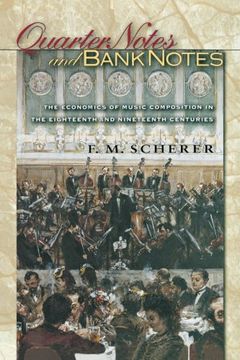
portada Quarter Notes and Bank Notes: The Economics of Music Composition in the Eighteenth and Nineteenth Centuries (The Princeton Economic History of the Western World) (en Inglés)
Formato
Libro Físico
Año
2012
Idioma
Inglés
N° páginas
280
Encuadernación
Tapa Blanda
ISBN
0691155461
ISBN13
9780691155463

Quarter Notes and Bank Notes: The Economics of Music Composition in the Eighteenth and Nineteenth Centuries (The Princeton Economic History of the Western World) (en Inglés)

F. M. Scherer (Autor) · Princeton Univ Pr · Tapa Blanda

Quarter Notes and Bank Notes: The Economics of Music Composition in the Eighteenth and Nineteenth Centuries (The Princeton Economic History of the Western World) (en Inglés) - F. M. Scherer

Libro Nuevo Importado
Envío: 14 a 20 días háb.
$ 159.381$ 79.691
-50%
Costos de importación incluídos en el precio ✅
Libro Nuevo

Quedan 57 unidades

$ 79.691
Llega entre el 22 Oct y el 30 Oct a C.A.B.A., Ciudad Autónoma de Buenos Aires. Seleccionar ubicación

Reseña del libro "Quarter Notes and Bank Notes: The Economics of Music Composition in the Eighteenth and Nineteenth Centuries (The Princeton Economic History of the Western World) (en Inglés)"

In 1700, most composers were employees of noble courts or the church. But by the nineteenth century, Chopin, Schumann, Brahms, Verdi, and many others functioned as freelance artists teaching, performing, and selling their compositions in the private marketplace. While some believe that Mozart's career marks a clean break between these two periods, this book tells the story of a more complex and interesting transition. F. M. Scherer first examines the political, intellectual, and economic roots of the shift from patronage to a freelance market. He describes the eighteenth-century cultural "arms race" among noble courts, the spread of private concert halls and opera houses, the increasing attendance of middle-class music lovers, and the founding of conservatories. He analyzes changing trends in how composers acquired their skills and earned their living, examining such impacts as demographic developments and new modes of transportation. The book offers insight into the diversity of composers' economic aspirations, the strategies through which they pursued success, the burgeoning music publishing industry, and the emergence of copyright protection. Scherer concludes by drawing some parallels to the economic state of music composition in our own times. Written by a leading economist with an unusually broad knowledge of music, this fascinating account is directed toward individuals intrigued by the world of classical composers as well as those interested in economic history or the role of money in art.

Opiniones del libro

Preguntas frecuentes sobre el libro

Todos los libros de nuestro catálogo son Originales.
El libro está escrito en Inglés.
La encuadernación de esta edición es Tapa Blanda.

Preguntas y respuestas sobre el libro

¿Tienes una pregunta sobre el libro? Inicia sesión para poder agregar tu propia pregunta.

Opiniones sobre Buscalibre

Ver más opiniones de clientes