Lunes de UK: Descubrí tus próximas lecturas con hasta 55% OFF  Ver más

Enviar a
C.A.B.A., Ciudad Autónoma de Buenos Aires
0
  • argentina
  • chile
  • colombia
  • españa
  • méxico
  • perú
  • estados unidos
  • internacional

Selecciona tu país

América

Europa

Resto del mundo

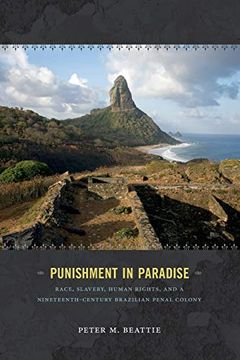
portada Punishment in Paradise: Race, Slavery, Human Rights, and a Nineteenth-Century Brazilian Penal Colony (en Inglés)
Formato
Libro Físico
Año
2015
Idioma
Inglés
N° páginas
352
Encuadernación
Tapa Blanda
ISBN13
9780822358305

Punishment in Paradise: Race, Slavery, Human Rights, and a Nineteenth-Century Brazilian Penal Colony (en Inglés)

Peter M. Beattie (Autor) · Duke University Press · Tapa Blanda

Punishment in Paradise: Race, Slavery, Human Rights, and a Nineteenth-Century Brazilian Penal Colony (en Inglés) - Peter M. Beattie

Libro Nuevo Importado
Envío: 12 a 18 días háb.
$ 138.227$ 69.113
-50%
Costos de importación incluídos en el precio ✅
Libro Nuevo

Quedan 93 unidades

$ 69.113
Llega entre el 20 Ago y el 28 Ago a C.A.B.A., Ciudad Autónoma de Buenos Aires. Seleccionar ubicación

Reseña del libro "Punishment in Paradise: Race, Slavery, Human Rights, and a Nineteenth-Century Brazilian Penal Colony (en Inglés)"

Throughout the nineteenth century the idyllic island of Fernando de Noronha, which lies two hundred miles off Brazil’s northeastern coast, was home to Brazil’s... Leer másThroughout the nineteenth century the idyllic island of Fernando de Noronha, which lies two hundred miles off Brazil’s northeastern coast, was home to Brazil’s largest forced labor penal colony. In Punishment in Paradise Peter M. Beattie uses Noronha as a case study to understand nineteenth-century Brazil’s varied social and cultural values, especially in relation to justice, class, color, civil condition, human rights and labor. As Brazil’s slave population declined after 1850, the use of colonial-era disciplinary practices at Noronha-such as flogging and forced labor-stoked anxieties about human rights and Brazil’s international image. Beattie contends that the treatment of slaves, convicts, and other social categories subject to coercive labor extraction were interconnected and that reforms that benefitted one of these categories made them harder to deny to others. In detailing Noronha’s history and the end of slavery as part of an international expansion of human rights, Beattie places Brazil firmly in the purview of Atlantic history.

Opiniones del libro

Preguntas frecuentes sobre el libro

Todos los libros de nuestro catálogo son Originales.
El libro está escrito en Inglés.
La encuadernación de esta edición es Tapa Blanda.

Preguntas y respuestas sobre el libro

¿Tienes una pregunta sobre el libro? Inicia sesión para poder agregar tu propia pregunta.

Opiniones sobre Buscalibre

Ver más opiniones de clientes